Navigating the Real Estate market through trends and insights is not easy. The real estate market is constantly changing. Influenced by economic factors, consumer behavior, and industry trends.Bankratesays typically we will see the highest level of homes for sale in Quarter 3. Above all, navigating this dynamic landscape requires a deep understanding of current market conditions. Insights and emerging trends are important to consider. In this article we will explore key trends. Provide valuable insights to help buyers, sellers, and investors make informed decisions in the real estate market.
New Construction Homes
Grasping and Understanding Shifts in Housing Preferences:
Recent years have seen big changes in what people want in a home. Millennials, now the largest group of homebuyers, are focused on convenience, affordability, and sustainability. Moreover, this shift has increased the demand for urban living, mixed-use spaces, and eco-friendly homes. Therefore, sellers and developers need to understand these trends to better meet today’s buyers’ needs. New construction communities are appearing along the Treasure Coast every day.
Discover the Impact of Technology and the relation to new homes:
Technology is changing real estate by making it easier to market, buy, and sell properties. Online platforms, virtual tours, and digital marketing are now crucial for attracting buyers. In fact, most people begin their home search online, using sites like Zillow, before even getting pre-approved for a mortgage. Additionally, advances in artificial intelligence and data analysis help with pricing and market trends. Embracing these technologies can give real estate professionals a big advantage in today’s digital world.
Relative to home prices is the Rise of Remote Workers.
Remote Work
Another important factor is the rise of remote work. Generally, this shift has greatly affected housing markets, as many people are reassessing where they want to live. Hence, there is a growing demand for homes in suburban and rural areas, where remote workers look for larger spaces, outdoor areas, and a quieter lifestyle. Basically, this has driven up prices in these areas and increased competition. All things considered this affects previously overlooked areas. For investors and homebuyers, it’s crucial to consider how remote work influences housing needs and location choices. Equally important, an initial meetings with a top local Realtor can happen via Zoom or teleconference before an in-person visit.
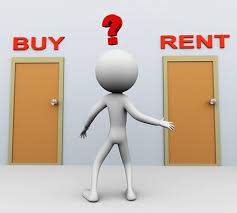
Here we will explore renting vs buying and which option is right for you. Certainly we hope to help you tackle the unknown when it comes to home ownership. All things considered I believe you will benefit from owning your own home, certainly there are pros and cons to both equally renting and owning.
Introduction: One of the biggest decisions individuals face in their lives is whether to rent or buy a home. Both options offer distinct advantages and considerations, making it essential to weigh the pros and cons carefully. Therefore, in this guide, we’ll explore the factors to consider when deciding between renting and buying a home to help you determine which option aligns best with your financial goals and lifestyle.
Home Mortgage Qualifying
Freddie Mac offers lots of helpful tips to take into consideration when buying a home. A great Realtor and Lending team can help you with a lot of this legwork as well. Always align yourself with a good team. People that do this everyday understand the programs, and the ins and outs available to you when entering the home buying process.
Financial Considerations
a. Upfront Costs:
Renting: Generally involves lower upfront costs, such as a security deposit and possibly first and last month’s rent. This makes it a more accessible option in the short term.
Buying: Requires a significant upfront investment, including a down payment, closing costs, and potentially property taxes and homeowner’s insurance. This initial financial commitment can be substantial. However, there are many programs available for people looking to enter the home owner pool. Ask me about the funds available to help you into your own home and you do not need to be a first time home buyer to qualify.
b. Monthly Expenses:
Renting: Offers fixed monthly rent payments with the landlord responsible for maintenance and repairs. This can simplify budgeting and reduce unexpected expenses.
Buying: Involves mortgage payments, property taxes, homeowner’s insurance, and maintenance costs, which can fluctuate over time. This can lead to variable monthly expenses and additional financial planning.
c. Long-Term Investment:
Renting: Does not build equity but provides flexibility and freedom to relocate easily. Ideal for those who prioritize mobility over long-term investment.
Buying: Builds equity over time and has the potential for property appreciation, serving as a long-term investment in real estate. This can contribute to long-term financial stability and wealth accumulation.
Lifestyle Factors
a. Flexibility:
Renting: Offers the flexibility to move frequently without the commitment of selling a home. Perfect for those who value adaptability and changing locations.
Buying: After all, homeownership provides stability and the ability to customize and personalize your living space. Best suited for individuals who prefer permanence and personalization in their home environment.
b. Maintenance Responsibility:
Renting: Typically, the landlord handles maintenance and repairs, relieving tenants of these responsibilities. This can reduce the burden of home upkeep.
Buying: Homeowners are responsible for maintenance and repairs, which can require significant time and financial investment. This responsibility necessitates ongoing maintenance and potential repair costs.
c. Future Plans:
Renting: Ideal for individuals anticipating changes in their living situation or location in the near future. It offers flexibility to adapt to life’s changes.
Buying: Suitable for those planning to settle down in a specific area and invest in long-term homeownership. This is ideal for those seeking stability and long-term investment.
Market Conditions
a. Real Estate Market Trends:
Renting: May be advantageous in areas with high housing costs or volatile real estate markets, providing immediate access to housing without long-term financial commitments.
Buying: Can be favorable in markets with low interest rates, attractive home prices, and strong appreciation potential. This offers the possibility of long-term benefits and investment growth.
b. Affordability:
Renting: Provides immediate affordability with lower initial costs and no need for a large down payment. This can be a more accessible option for those who are not ready for long-term commitments.
Buying: Requires financial stability and the ability to qualify for a mortgage but offers potential long-term cost savings and wealth accumulation. This option can be beneficial for those with the financial means to invest in real estate.
Additionally, if a large down payment is stopping you from owning your own home, contact me today!!!! I have access to programs designed to help you into a home and often with less than the amount it would cost you to go rent an apartment.


 Facebook
 X
X
 Pinterest
 Copy Link